Low-Dose Aspirin & Heart Health: Truths, Myths, and Current Guidelines
Published by Georgia CPR | CPR Certification Atlanta | Serving Decatur, Sandy Springs, Marietta, and Roswell, GA
Before anything else — please talk to your doctor before making any decisions about aspirin. This article is for informational purposes only and does not replace professional medical advice. Seriously, call your doctor. They know your health history. We don’t.
Low dose aspirin heart health is one of the most searched — and most misunderstood — topics in everyday medicine. Millions of Americans take an 81 mg aspirin every day hoping to prevent a heart attack or stroke. But current guidelines have shifted significantly, and what your doctor recommended ten years ago may not apply today. Whether you live in Atlanta, Decatur, Sandy Springs, Marietta, or Roswell, this guide gives you the facts you need before your next doctor’s visit.
What Is Low-Dose Aspirin?
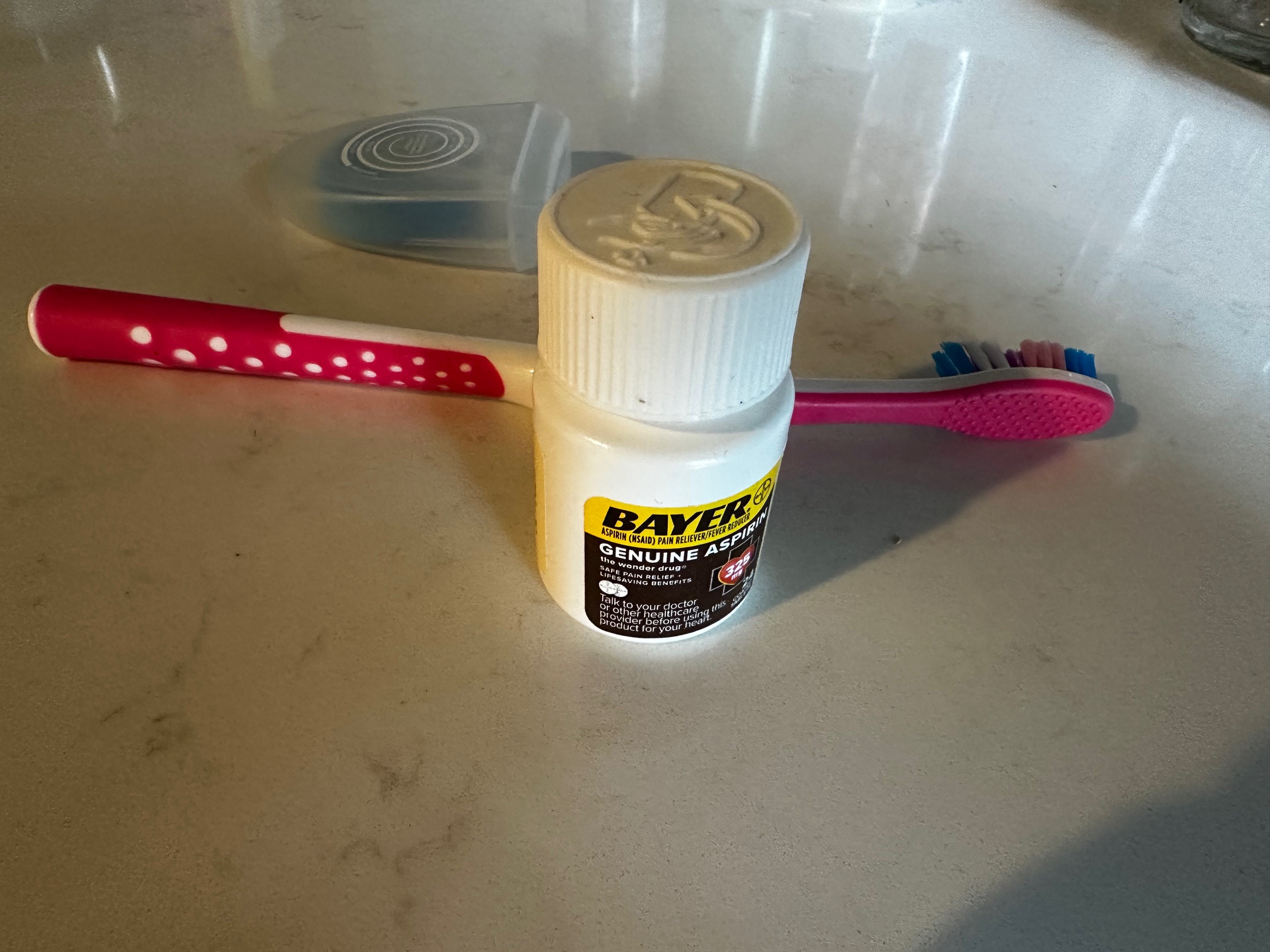
Low-dose aspirin is an 81 mg tablet commonly used for cardiovascular disease prevention. People used to call it “baby aspirin” because doctors originally prescribed it to children. That changed when aspirin was linked to a dangerous condition in kids called Reye’s Syndrome. Health professionals now use the term “low-dose aspirin” because the old name makes the drug sound harmless. Even at 81 mg, aspirin carries real heart health benefits and real risks.
Low-Dose Aspirin Heart Health Benefits: What’s True
It protects people who’ve already had a heart attack or stroke.
If you’ve had a prior cardiac event, daily low-dose aspirin lowers your risk of having another one. Doctors call this secondary prevention. It remains the strongest, most well-supported use of aspirin for heart health.
It reduces dangerous blood clots.
Aspirin blocks platelets from sticking together in your arteries. This is the core mechanism behind its cardiovascular protection. That same clot-blocking action also drives the bleeding risks covered below.
It may benefit adults with Type 2 diabetes.
A 2025 American Heart Association study found that adults with Type 2 diabetes and high cardiovascular risk had significantly lower rates of heart attack and stroke when taking low-dose aspirin. Ask your doctor whether aspirin therapy fits your risk profile.[newsroom.heart]
Chewing aspirin during a heart attack can limit damage.
If someone shows heart attack signs, chewing a full 325 mg aspirin right away can slow clot formation. This is emergency use — not daily therapy. At Georgia CPR, we teach this in our AHA-certified First Aid and CPR certification classes across metro Atlanta.
Low-Dose Aspirin Myths: What’s False
Myth: “Low-dose aspirin heart health benefits apply to everyone.”
False. Even 81 mg aspirin carries a real risk of serious GI bleeding. Older adults face significantly higher bleeding risk. A low dose does not mean low risk.[mayoclinic]
Myth: “Everyone over 50 should take it daily.”
The USPSTF aspirin recommendation changed in 2022. The U.S. Preventive Services Task Force now recommends against starting aspirin for primary prevention of cardiovascular disease in adults 60 and older. The bleeding risk outweighs the heart health benefit for most in that group.[uspreventiveservicestaskforce]
Myth: “Aspirin prevents cancer.”
Researchers hoped daily aspirin would cut cancer risk. A 2026 study found it does not. It may actually increase cancer mortality risk in adults over 65. Don’t take aspirin for cancer prevention.
Myth: “Aspirin replaces a heart-healthy lifestyle.”
Aspirin is not a substitute for diet, exercise, and not smoking. Those lifestyle factors matter far more to long-term heart health. Aspirin is one tool — not a solution.
Myth: “Higher doses give better cardiovascular protection.”
Research shows 81 mg works just as well as higher doses for clot prevention. Higher doses only increase bleeding risk. More is not better.[mayoclinic]
Low-Dose Aspirin Heart Health Guidelines at a Glance
What Metro Atlanta Residents Should Do
If you live in Atlanta, Decatur, Sandy Springs, Marietta, or Roswell, your primary care doctor can calculate your 10-year cardiovascular risk score. That number drives the right low dose aspirin heart health decision for you specifically. Don’t start or stop daily aspirin on your own. One conversation at your next checkup gives you a clear, personalized answer.
Know CPR — Because Aspirin Can’t Do Everything
Smart low dose aspirin heart health decisions are important for long-term prevention. But cardiac emergencies don’t wait for doctor’s appointments. Heart attacks happen at work, at the gym, at restaurants, and at home — right here across metro Atlanta. When someone’s heart stops, every second counts.
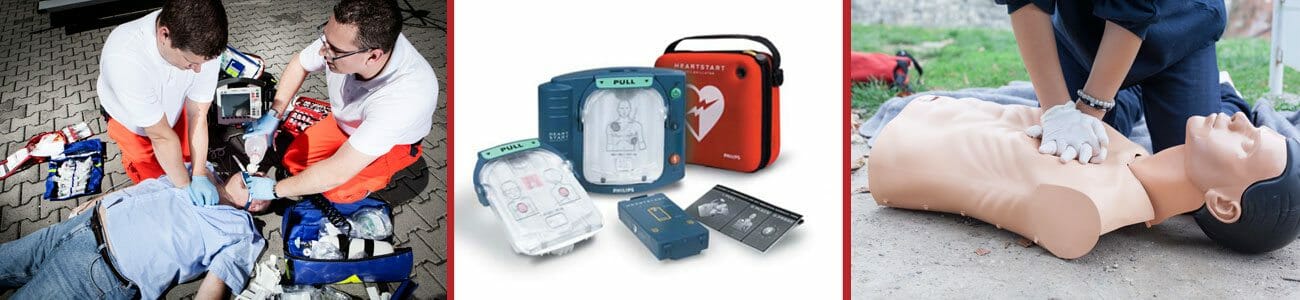
Knowing CPR and first aid puts you in a position to act fast and save a life while EMS responds. Georgia CPR offers American Heart Association-certified CPR certification in Atlanta, BLS certification, and First Aid classes for individuals, families, and workplace teams across Atlanta, Decatur, Sandy Springs, Marietta, Roswell, and surrounding communities.
Need a CPR class in Decatur? A BLS certification in Marietta? A group first aid training in Roswell? Georgia CPR has a class that fits your schedule.
👉 Visit gacpr.com to find a CPR certification class near you and get certified today.
⚕️ Medical Disclaimer: This article is for informational purposes only and does not constitute medical advice. Always consult a qualified healthcare provider before starting, stopping, or changing any medication, including aspirin.
Georgia CPR — Keeping Metro Atlanta Heart-Safe, One Certification at a Time.